Ready for a free quote?
Call Now
Ice Dam Removal
Roofing

Ice Dam Removal in Toronto & the GTA

Emergency ice dam removal services in Toronto & GTA. Safe steam removal to protect your roof. Prevent water damage and interior leaks.

2,000+
Ice Dams Removed
24–48 hrs
Response Time
Steam
Safe Method
WSIB Insured
29+ Years Experience
Heights Certified
30,000+ Clients
4.9 Google Rating

About Our Ice Dam Removal Service

When ice dams form and water is backing up under your shingles, you need them removed safely and quickly. Improper removal, like hacking at ice with tools, causes more damage than the ice dam itself. We use low-pressure steam, the only method endorsed by roofing manufacturers.

Steam removal melts ice without damaging shingles, gutters, or the roof structure. It's slower than mechanical removal but far safer for your roof.

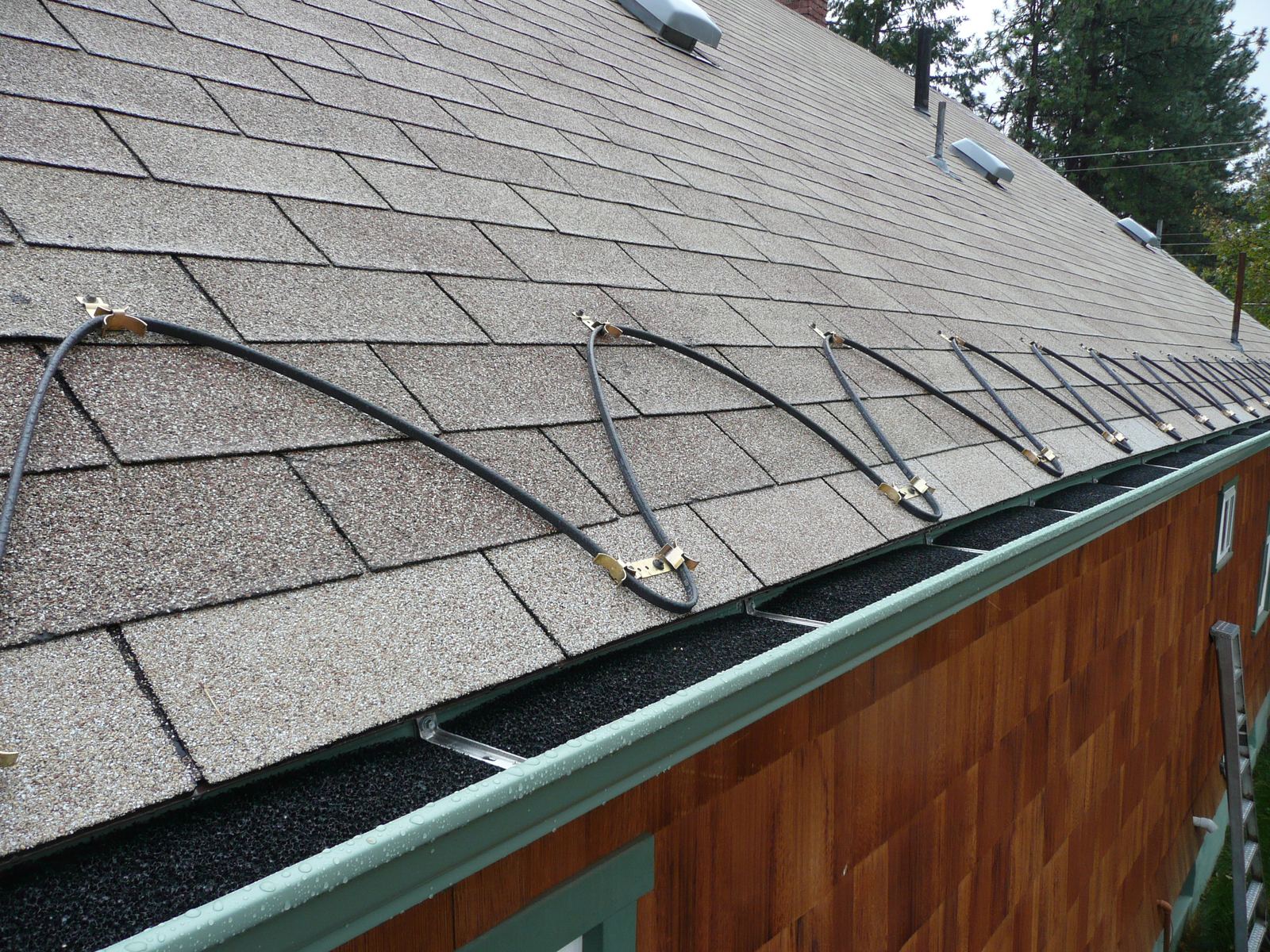
Emergency ice dam removal addresses the immediate problem, but you should also consider heat cables and improved attic insulation/ventilation to prevent recurrence.

Don't DIY Ice Dam Removal

Using axes, hammers, or salt to remove ice dams voids warranties and damages roofing materials. We've seen homeowners cause more damage in one afternoon than an ice dam would cause all winter.

Request a Free Quote

Why This Matters for Your Home

Understanding the importance of proper maintenance and quality workmanship.

Stop Active Leaks

Removing the ice dam allows trapped water to drain before it enters your home.

Prevent Further Damage

Ice expansion can tear gutters, lift shingles, and damage fascia.

Safe Access

Walking on icy roofs is extremely dangerous. Leave it to trained professionals.

Proper Method

Steam removal protects your roof. Mechanical removal destroys it.

Our Process

What to expect when you work with Tip Top Trough.

1

Emergency Assessment

We evaluate the situation and determine the extent of ice dam formation.

Emergency Assessment
2

Steam Equipment Setup

Our commercial steamers produce low-pressure steam that melts ice without damaging roofing materials.

3

Ice Dam Removal

We methodically melt through the ice dam, creating drainage channels.

4

Gutter Clearing

Frozen downspouts and gutters are cleared to restore drainage.

5

Prevention Recommendations

We assess why the ice dam formed and recommend heat cables, ventilation improvements, or other solutions.

Ice Dam Removal: What GTA Homeowners Need to Know

How to recognize an ice dam, why steam is the only safe removal method, what to do while you wait for help, and how to stop ice dams from coming back next winter.

Warning Signs of an Ice Dam

Ice dams don't always look dramatic from the street, so it helps to know what to watch for after a heavy snowfall followed by milder days. The earlier you catch one, the less chance water has to get inside your walls and ceilings.

  • A thick ridge of ice along the roof edge or filling the eavestrough.
  • Large icicles hanging from the gutters, especially icicles forming behind the gutter or along the siding.
  • Water stains, bubbling paint or damp spots on ceilings near exterior walls.
  • Water dripping from window frames, door headers or soffits.
  • Frozen downpipes with ice spilling out of the bottom or splitting the seams.
  • Patches of bare roof near the peak while the lower roof stays snow-covered, a sign of heat loss from the attic.
How an ice dam forms
Warm air escapes into atticSnow melts, water runs downIce damBacked-up water leaks insideWarm living space
Heat escaping into the attic warms the roof deck and melts the snow above it. The melt water runs down to the cold overhang, refreezes into a ridge of ice, and the water trapped behind it can back up under the shingles and into the home.

Why Steam Is the Only Safe Removal Method

When water is dripping into the house, the urge to grab a hammer, an ice pick or a shovel is completely understandable, but it's the most common way homeowners turn a winter leak into a full roof repair. Frozen asphalt shingles are brittle. Chopping, prying or scraping cracks them, tears off granules and can puncture the underlayment beneath. Eavestroughs bend, hangers snap, and fascia boards can split.

Low-pressure steam works differently. Commercial steamers heat water to a high temperature but deliver it at low pressure, so the steam melts and cuts through ice without blasting the shingle surface. Our crews carve channels through the dam so trapped water can drain, then clear the ice in sections and open up frozen eavestroughs and downpipes. It is slower than chipping, but it removes the ice without creating new damage.

Pressure washers are not a substitute. High-pressure water strips granules off shingles, can drive water under them, and creates a serious fall hazard on an already icy roof.

What to Do Before Help Arrives

If an ice dam is actively leaking, there are a few safe steps you can take indoors while you wait for a crew. Your priority is limiting interior damage and staying off the roof.

  • Place buckets and towels under drips and move furniture, electronics and rugs out of the way.
  • If a ceiling is bulging with water, keep people clear and contact a professional. Trapped water can bring drywall down suddenly.
  • Take photos of interior damage and the roof edge for insurance purposes.
  • From the ground only, use a roof rake to pull loose snow off the lowest few feet of roof if it's safe to do so. Never climb a ladder onto ice.
  • Avoid rock salt or chemical de-icers on the roof; they can damage shingles, metal flashing, plants and siding.

Damage Ice Dams Can Leave Behind

Once the ice is gone, it's worth checking for hidden damage. Water that backed up under shingles may have soaked the roof deck, attic insulation and the top of exterior walls. Wet insulation loses much of its effectiveness and can stay damp for weeks, encouraging mould growth in the attic or inside wall cavities.

Outside, the weight and expansion of ice frequently pulls eavestroughs out of alignment, bends hangers, cracks downpipe elbows and loosens fascia. If the ice was severe, a spring roof inspection will catch lifted shingles, damaged flashing or soft decking before the next big rain.

Schedule a spring roof inspection

Preventing Ice Dams Next Winter

Removing an ice dam solves this winter's problem. Preventing the next one means tackling the conditions that created it. In most GTA homes, that comes down to three things: heat escaping into the attic, inadequate ventilation, and drainage that can't keep up.

Air-sealing and topping up attic insulation keeps heat in the house where it belongs. Clear, balanced soffit and roof vents keep the roof deck cold so snow melts evenly instead of in patches. Clean, correctly sloped eavestroughs and open downpipes give meltwater a way out. For sections that still ice up because of roof design (valleys, north-facing eaves, low-slope porch roofs), self-regulating heat cables keep a drainage path open all winter.

Explore heat cable installation

Does Insurance Cover Ice Dam Damage?

Many Ontario home insurance policies cover sudden and accidental water damage caused by ice dams, but coverage varies widely and some policies exclude damage linked to lack of maintenance. Always check your own policy and talk to your broker. Documenting the damage with photos, keeping invoices for emergency removal, and acting quickly to limit further damage generally helps any claim. We can provide written documentation of the work we perform on request.

Not sure what your home needs?

Book a free, no-pressure assessment. We'll tell you honestly what's worth doing and what isn't.

Get a Free Quote

Our Work

See examples of our craftsmanship across the GTA.

Ice Dam Removal project 1
Ice Dam Removal
Ice Dam Removal project 2
Ice Dam Removal
Ice Dam Removal project 3
Ice Dam Removal
Ice Dam Removal project 4
Ice Dam Removal
Ice Dam Removal project 5
Ice Dam Removal
"Water was dripping into our bedroom and they were here the next morning. Ice dam gone, no damage to the roof. Lifesavers."
K

Karen M.

Burlington • Emergency Ice Dam Removal

Frequently Asked Questions

Common questions about ice dam removal services.

QWhat causes ice dams to form?

Ice damming occurs during winter when heat escaping from your attic melts snow on your roof, which then refreezes at the cold eaves. The resulting ice barrier traps water, which can back up under shingles and into your home.

QWhy is professional ice dam removal important?

Improper removal, like hacking at ice with tools, causes more damage than the ice dam itself. We use low-pressure steam, the only method endorsed by roofing manufacturers. Steam melts ice without damaging shingles, gutters, or the roof structure.

QHow can I prevent ice dams from forming?

Prevention typically involves three professional solutions: drainage improvements to enhance water flow, insulation and ventilation checks to maintain consistent roof temperature, and heat cable installation to actively prevent ice buildup.

QWhat damage can ice dams cause?

Ice dams can cause water to back up under shingles and leak into your home, damage to ceilings and walls, mold growth from moisture intrusion, and structural damage to the roof and fascia from ice expansion.

QHow quickly should an ice dam be removed?

If water is leaking inside, as soon as possible. Every freeze-thaw cycle can push more water under the shingles. If there's a visible ice ridge but no leak yet, it's still wise to book removal promptly, particularly before a forecast thaw or rain.

QCan I remove an ice dam myself?

We don't recommend it. Climbing onto an icy roof is extremely dangerous, and chipping or prying at ice damages shingles, eavestroughs and fascia. From the ground, a roof rake can safely remove loose snow from the lower roof, but the ice itself should be removed with low-pressure steam by trained crews.

QWill ice dams come back after removal?

They can if the underlying causes aren't addressed. Attic air-sealing and insulation, balanced ventilation, clean eavestroughs and, where needed, heat cables are the most effective ways to prevent recurrence.

QIs salt safe to use on my roof?

Rock salt should never be used on a roof. It corrodes metal, damages shingles and kills plants below. Chemical de-icers aren't a substitute for proper removal and prevention. Steam removal and heat cables are the safer long-term approach.

Related Services

Other services you might be interested in.

Ready to Get Started?

Contact us today for a free, no-obligation quote. We'll assess your needs and provide honest recommendations.