Ready for a free quote?
Call Now
Soffit Replacement
Soffit & Fascia

Soffit Replacement in Toronto & the GTA

Professional soffit replacement in Toronto & GTA. Vented aluminum soffits for optimal attic ventilation. Improve efficiency and protect your roof.

4,000+
Soffits Replaced
20 Years
Material Warranty
Yes
Maintenance Free
WSIB Insured
29+ Years Experience
Heights Certified
30,000+ Clients
4.9 Google Rating

About Our Soffit Replacement Service

When soffits are too damaged to repair, or you want to upgrade from wood to maintenance-free aluminum, full replacement is the answer. Modern vented aluminum soffits provide superior ventilation while eliminating painting and rot concerns.

We install both solid and perforated soffit panels. Perforated panels provide continuous ventilation, which helps prevent ice dams, reducing cooling costs, and extending shingle life.

Soffit replacement is often done alongside fascia replacement and eavestrough work. Doing it all at once ensures proper integration and reduces total labor costs.

Ventilation Matters

For optimal roof performance, soffit venting should be balanced with ridge or gable venting. We can assess your current ventilation and recommend improvements if your attic runs hot or develops ice dams.

Request a Free Quote

Why This Matters for Your Home

Understanding the importance of proper maintenance and quality workmanship.

Superior Ventilation

Perforated aluminum soffits provide consistent airflow to your attic.

No Maintenance

Aluminum won't rot, peel, or need painting. Occasional cleaning is all that's required.

Pest Resistance

Properly installed aluminum soffits seal out pests.

Energy Efficiency

Better ventilation reduces summer cooling costs and prevents winter ice dams.

Our Process

What to expect when you work with Tip Top Trough.

1

Removal

Existing soffits and damaged backing are carefully removed.

Removal
2

Inspection & Repair

Wood framing is inspected and any rot or damage is repaired.

3

Ventilation Assessment

We determine optimal placement of vented panels.

4

Installation

New aluminum soffits are installed with proper channels and trim.

Installation
5

Integration

Soffits are integrated with fascia and eavestroughs for a clean, finished look.

Integration
6

Final Inspection

Every section is checked for proper fit and ventilation function.

Final Inspection

Soffit Replacement & Attic Ventilation: What Homeowners Should Know

Why soffit plays a key role in attic ventilation, how vented and solid panels differ, the benefits of aluminum and how a proper replacement is done.

Soffit and Your Attic's Health

A healthy attic breathes. Cool outside air enters through vents in the soffit, flows up beneath the roof deck and exits through vents near the ridge. That airflow carries away heat in summer and moisture in winter. Without enough intake at the soffit, warm, moist air gets trapped in the attic.

In an Ontario winter, trapped warmth and moisture can lead to frost on the underside of the roof deck, damp insulation and mould. It also warms the roof surface, which contributes to snow melting and refreezing at the eaves as ice dams.

How soffit ventilation works
Warm, moist air out at ridgeFresh air in at soffitInsulation (baffles keep the channel open)
Cool outside air enters through the vented soffit, travels up past the insulation baffles and exits near the ridge, carrying away heat and moisture. Blocked or damaged soffit breaks this cycle.
Learn about ice dam prevention

Perforated vs. Solid Soffit Panels

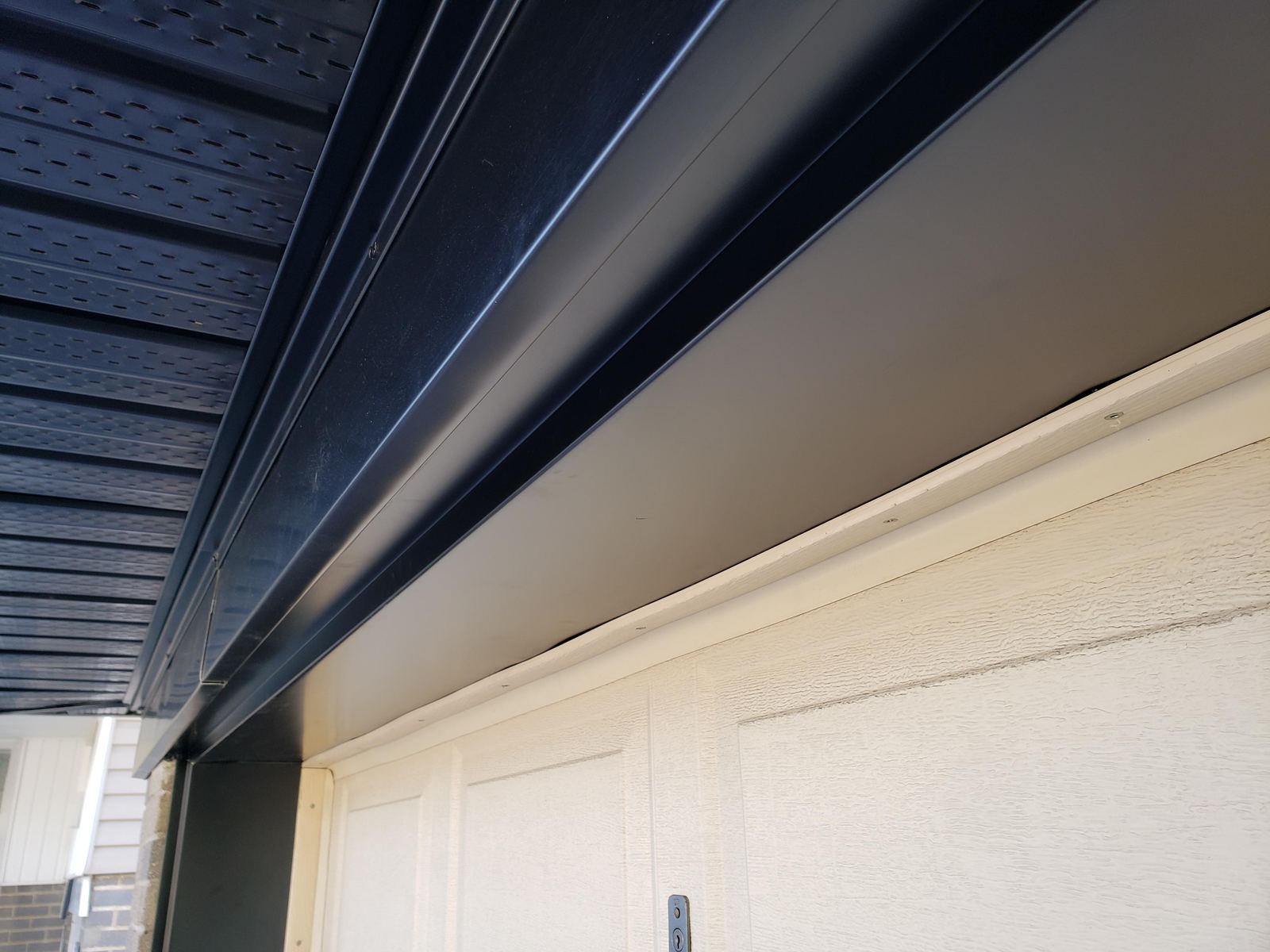
Aluminum soffit comes in perforated (vented) and solid panels. Perforated panels have small holes that allow airflow while keeping insects out, and are used wherever the soffit feeds into the attic. Solid panels are used where ventilation isn't needed or wanted, for example on porch ceilings or overhangs that don't connect to the attic.

The right mix depends on your roof design and existing exhaust vents. The goal is balanced ventilation: roughly as much intake at the soffit as exhaust at the top of the roof.

Perforated vs. solid soffit
PerforatedAttic intake ventilationSolidPorches & no-attic areasAir flows throughAir blocked
Perforated (vented) panels let the attic breathe and are used wherever intake ventilation is needed. Solid panels are used where there's no attic space above, such as porch ceilings or gable overhangs.

Benefits of Aluminum Soffit

Many older GTA homes have painted plywood or wood soffit. Replacing it with aluminum eliminates painting and rot, improves ventilation and gives the eaves a clean, uniform finish.

  • Won't rot, crack or need repainting
  • Perforated panels provide continuous ventilation
  • Resists pests better than deteriorating wood
  • Wide range of colours to match fascia and eavestroughs
  • Backed by a 20-year manufacturer warranty plus our 3-year service warranty

Don't Forget the Insulation Baffles

New vented soffit only works if air can actually reach the attic. In many homes, insulation has been pushed or blown right up to the edge of the roof, blocking the path from the soffit. Ventilation baffles (also called rafter vents) hold insulation back and keep a clear channel open for air to flow. We check the intake path during replacement and let you know if baffles are needed.

The Replacement Process

A soffit replacement is usually completed alongside a fascia upgrade, since both form the finished roof edge.

  • Remove old soffit or prepare existing wood as a backing
  • Inspect rafter tails and framing for rot or animal damage
  • Install channel along the wall and fascia
  • Fit perforated and solid panels where appropriate
  • Cap fascia boards with matching aluminum
  • Clean up and remove all debris
Explore fascia replacement

Not sure what your home needs?

Book a free, no-pressure assessment. We'll tell you honestly what's worth doing and what isn't.

Get a Free Quote

Our Work

See examples of our craftsmanship across the GTA.

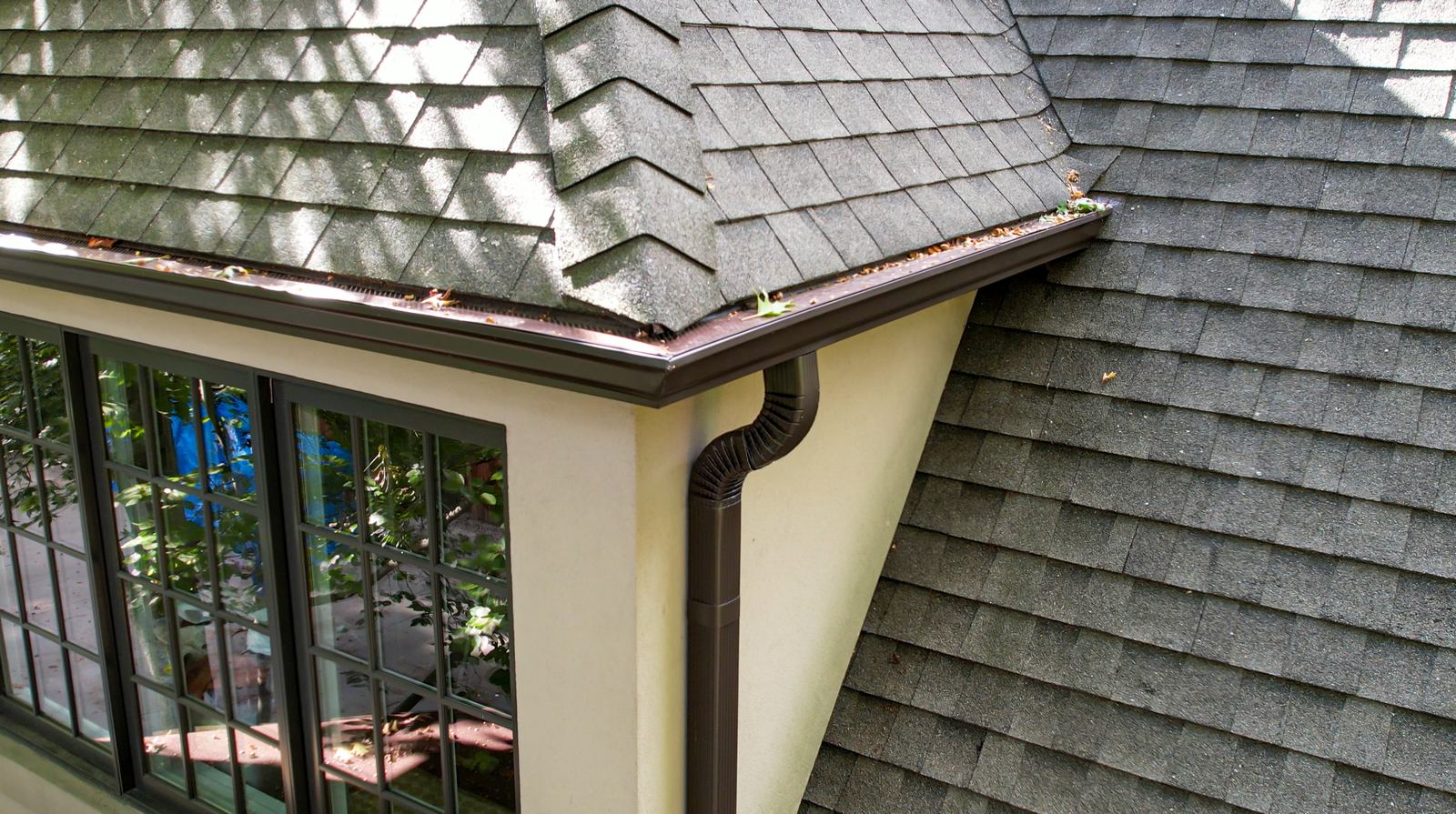
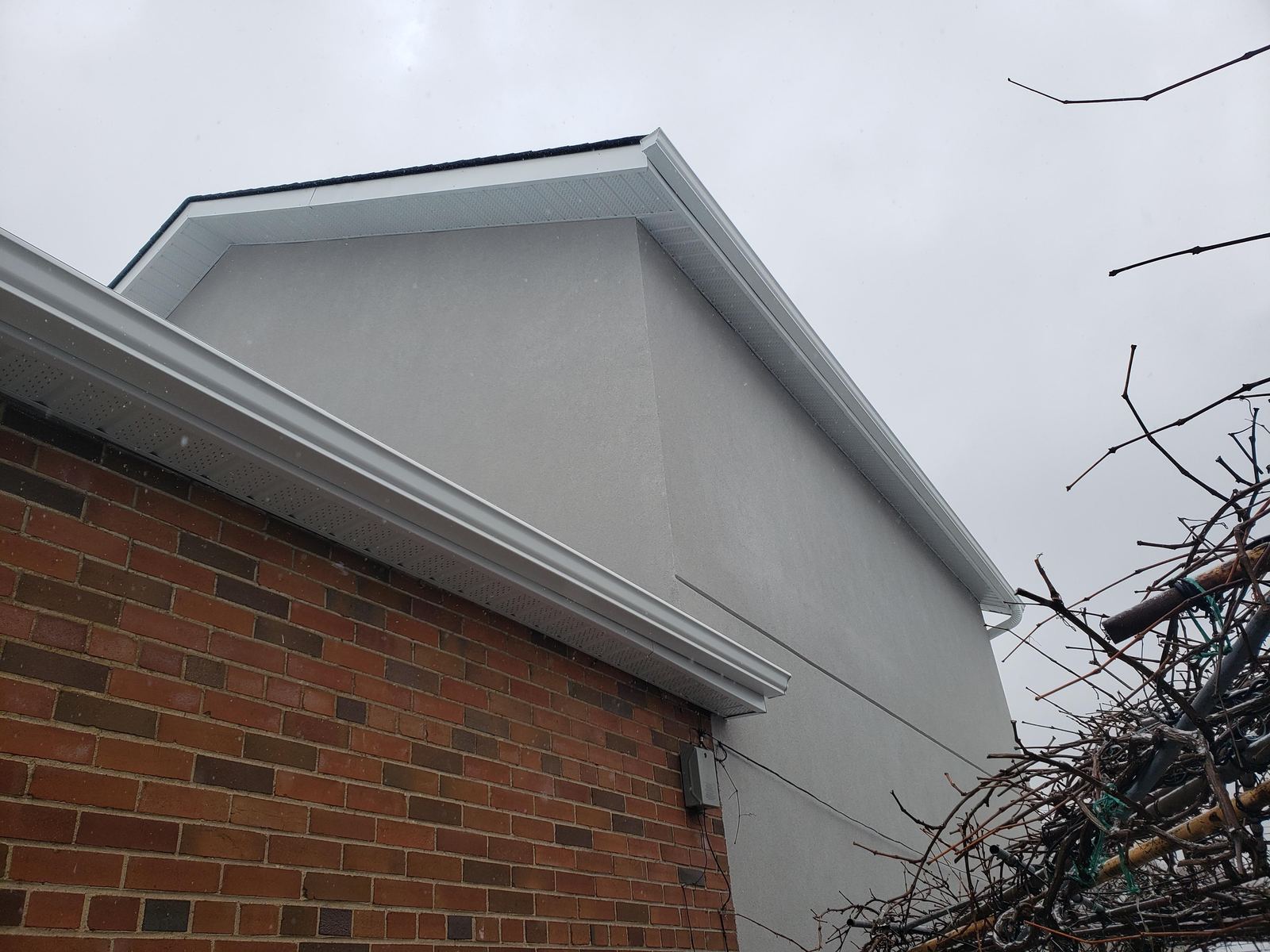
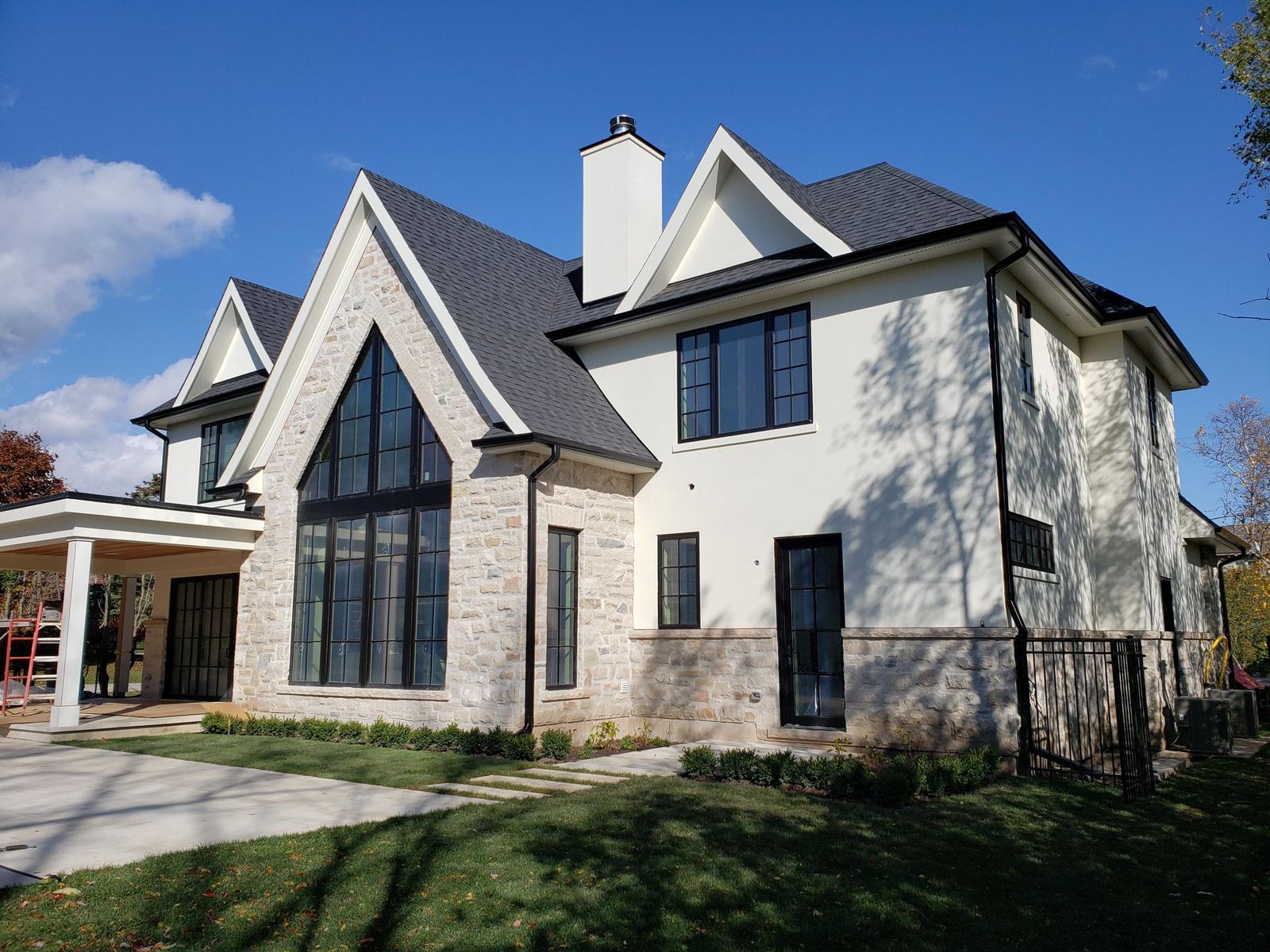
Soffit Replacement project 1
Soffit Replacement
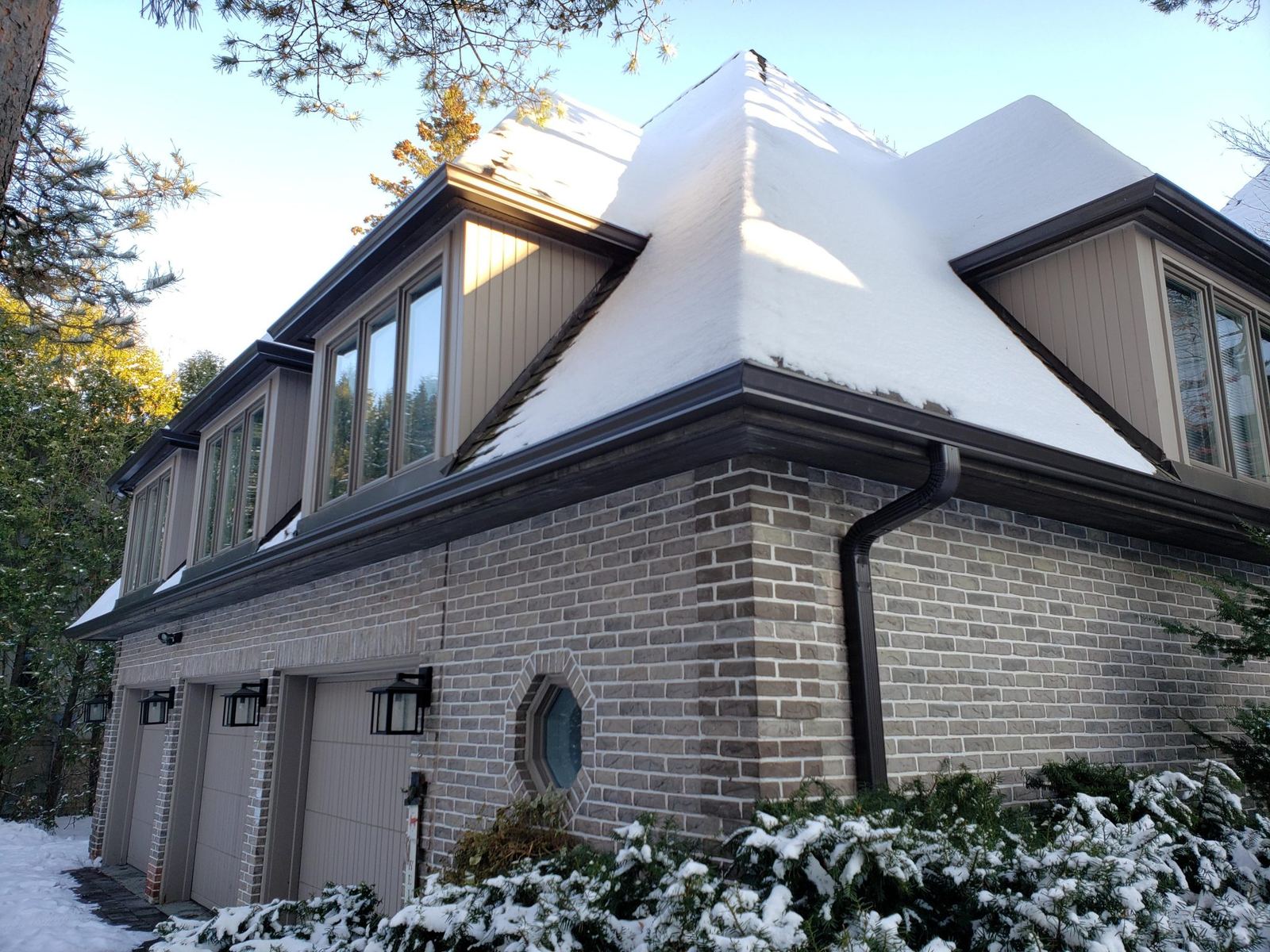
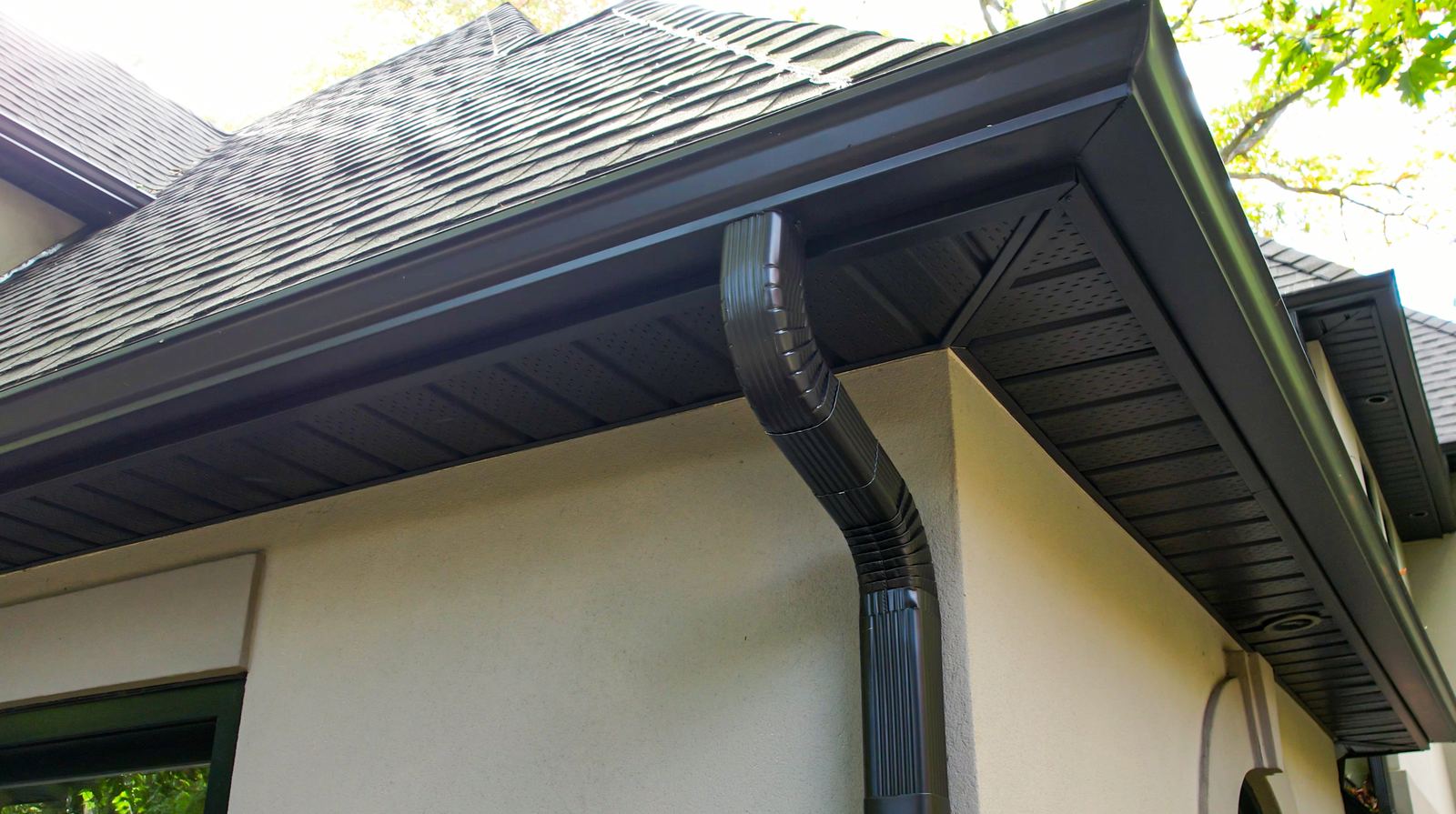
Soffit Replacement project 2
Soffit Replacement
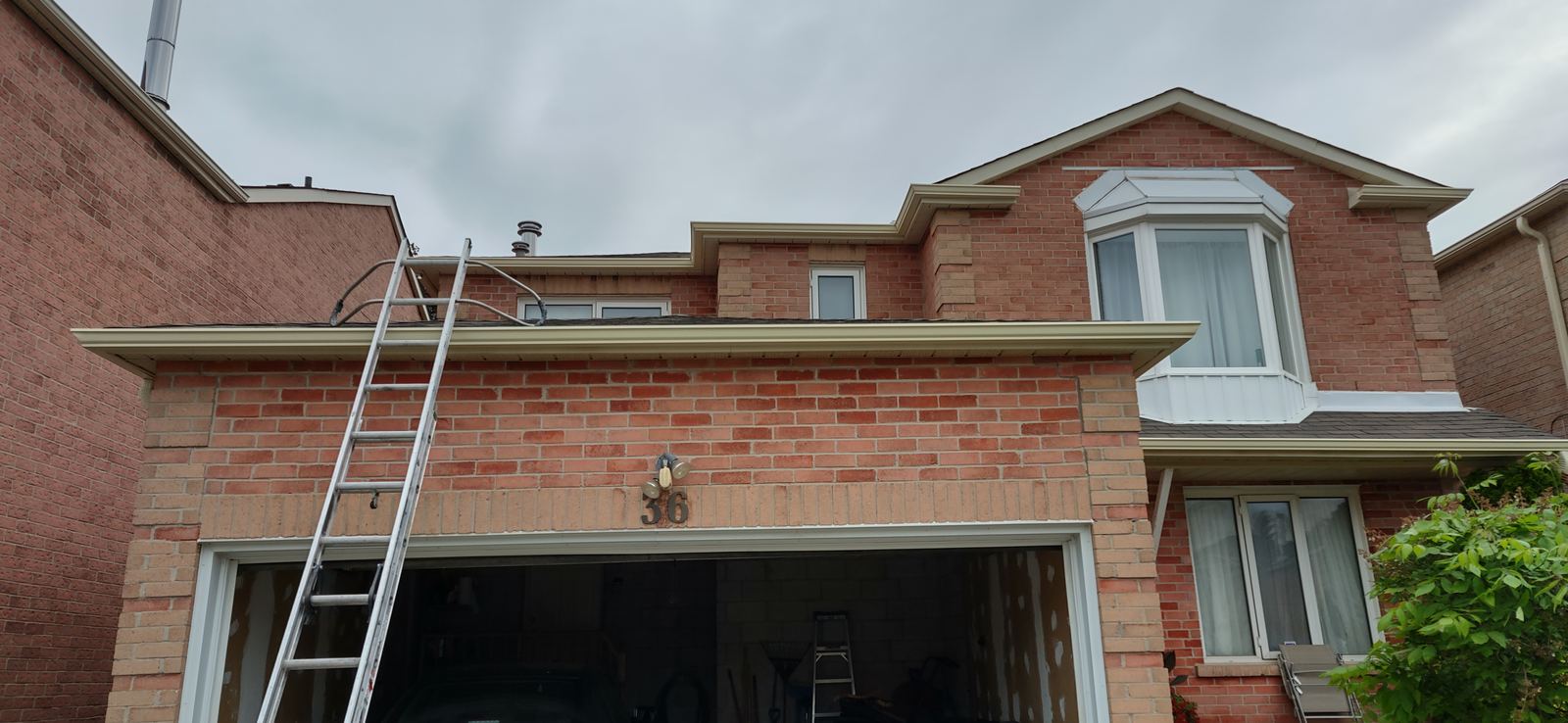
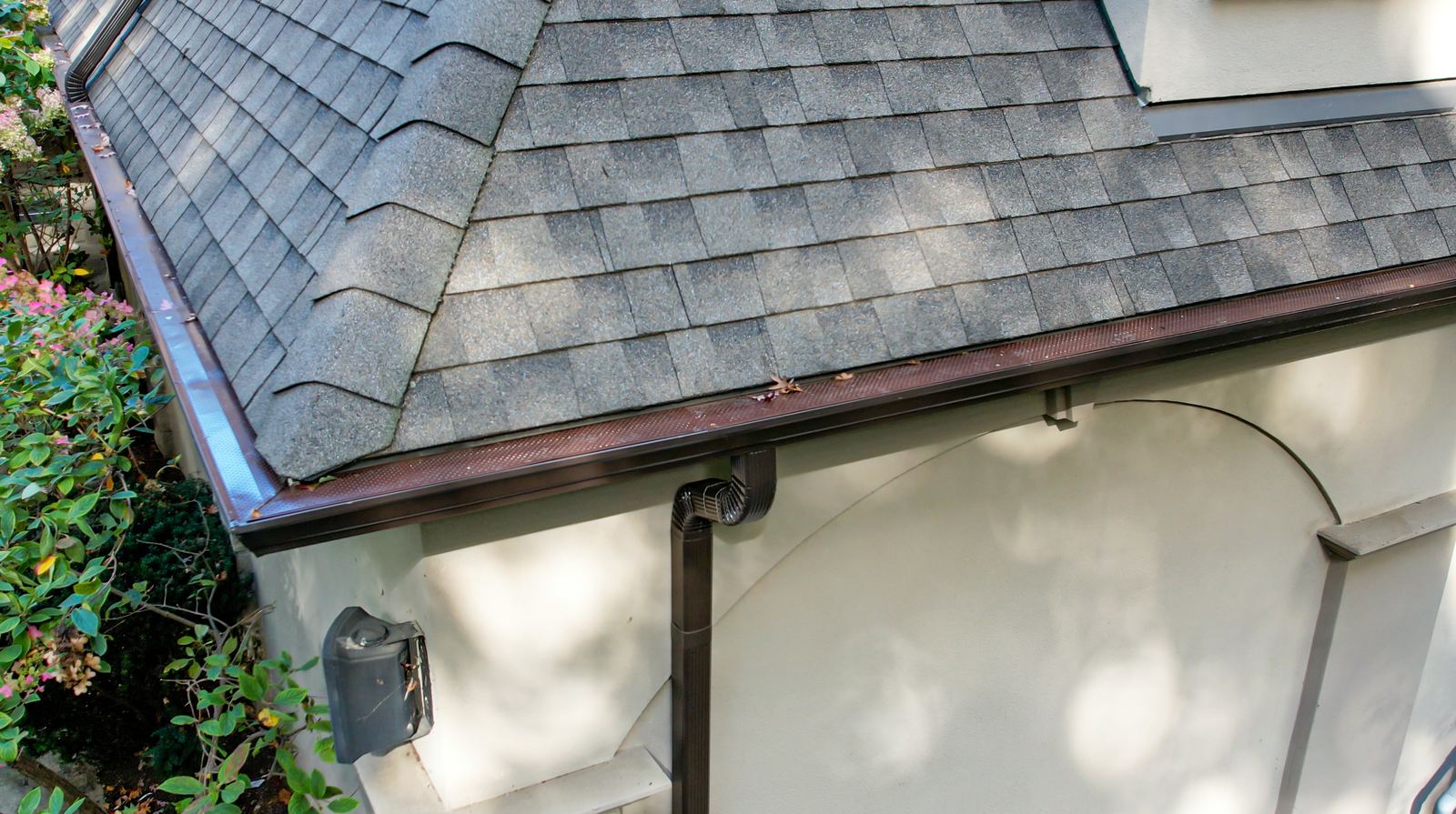
Soffit Replacement project 3
Soffit Replacement
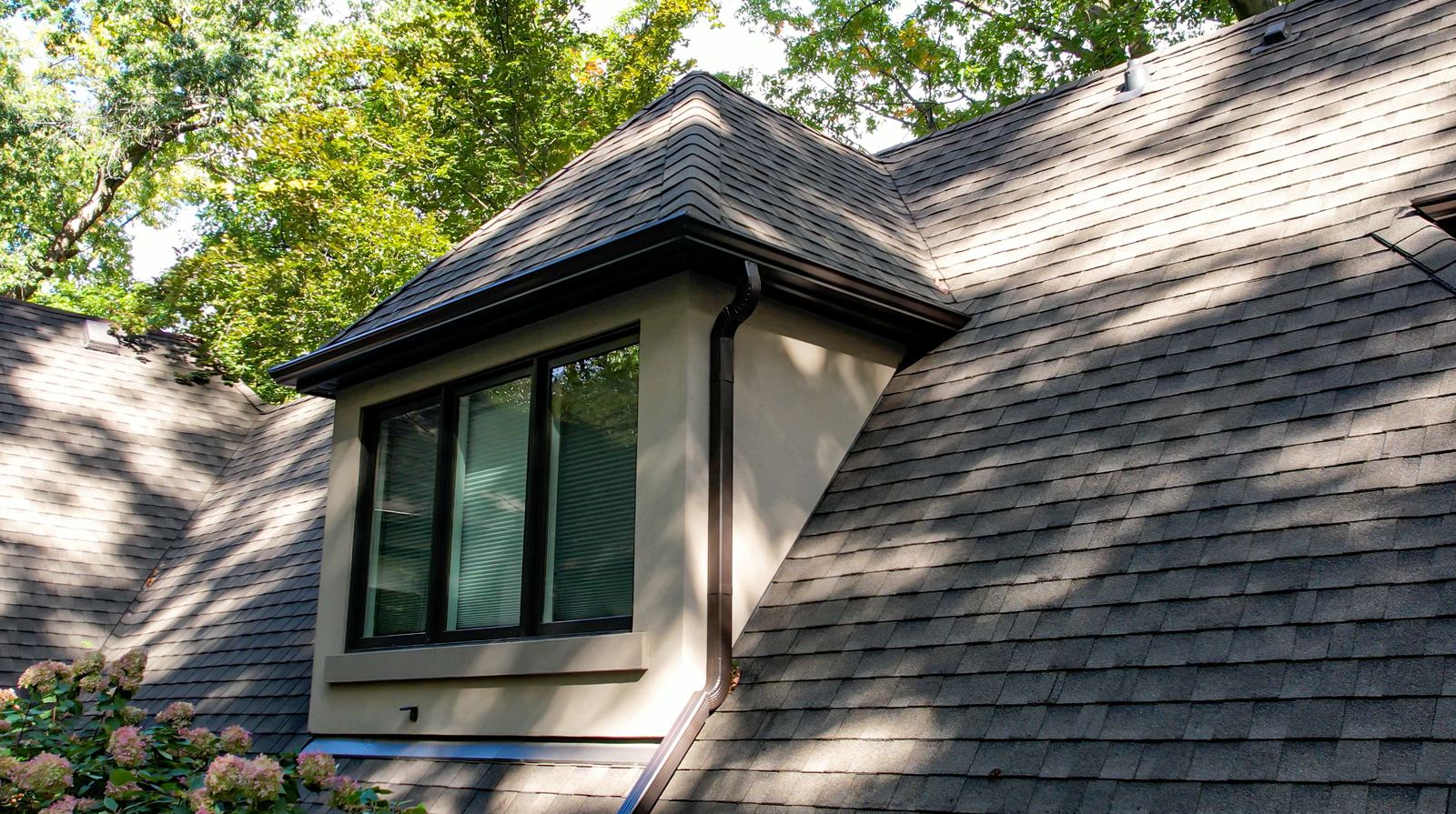
Soffit Replacement project 4
Soffit Replacement
Soffit Replacement project 5
Soffit Replacement
Soffit Replacement project 6
Soffit Replacement
"Replaced our old wood soffits with vented aluminum. Attic is cooler and we'll never paint again."
L

Lisa & Mark H.

Oshawa • Soffit Replacement

Frequently Asked Questions

Common questions about soffit replacement services.

QWhat materials are used for soffits?

Most soffits are made from vinyl due to its water-resistant properties, which helps them withstand warping caused by heat and moisture. Vinyl also aids in regulating attic temperature, potentially leading to energy savings. Aluminum is another popular choice for its durability.

QWhat is the soffit replacement process?

Our process includes: 1) Removal of old components, 2) System assessment and measurement, 3) Scheduling & materials consultation, 4) Custom fabrication to exact lengths, 5) Professional installation with premium hangers, 6) Clean-up & disposal, and 7) Final walkthrough with inspection report.

QWhat factors affect soffit replacement cost?

Key factors include approximate roof length (linear feet), soffit type/material (vinyl, aluminum, wood), color selection (standard vs. premium), roof height & access difficulty, and season/urgency of the project.

QWhy should I hire professionals for soffit installation?

Professionals ensure the work is done correctly and safely. They offer expertise in proper installation techniques, use high-quality materials, and provide warranties on both materials and workmanship. This protects your investment and ensures optimal ventilation performance.

QWill new soffit help prevent ice dams?

Better soffit ventilation can help by keeping the attic and roof deck colder, which reduces melting and refreezing at the eaves. Ice dams are also influenced by insulation and air sealing, so ventilation is one part of a complete solution.

QCan aluminum soffit be installed over existing wood soffit?

Sometimes, if the wood is sound and vent openings are cut so air can still reach the attic. Rotted wood should be removed or repaired first.

QHow do I know if my attic has enough ventilation?

Signs of poor ventilation include frost on the underside of the roof deck in winter, a very hot attic in summer, musty smells, and recurring ice dams. A roof inspection can help identify ventilation issues.

Ready to Get Started?

Contact us today for a free, no-obligation quote. We'll assess your needs and provide honest recommendations.