Ready for a free quote?
Call Now
Downpipe & Extension Services
Eavestroughs

Downpipe & Extension Services in Toronto & the GTA

Professional downpipe repair, replacement & extension services in Toronto & GTA. Proper drainage protects your foundation. 29+ years experience.

12,000+
Downpipes Serviced
Countless
Foundation Issues Prevented
48 hrs
Response Time
WSIB Insured
29+ Years Experience
Heights Certified
30,000+ Clients
4.9 Google Rating

About Our Downpipe & Extension Services Service

Downpipes are the workhorses of your drainage system. They carry thousands of gallons of water away from your foundation every year. When they're clogged, disconnected, or directing water to the wrong place, foundation problems aren't far behind.

Common downpipe issues include disconnections at ground level, extensions directing water toward (not away from) the foundation, underground connections that are clogged or collapsed, and downpipes that are too small for the gutter system.

We handle all downpipe work: repairs, replacements, extensions, redirections, and disconnections from municipal storm drains (as required by many GTA municipalities).

Extension Best Practice

Downpipe extensions should carry water at least 6 feet away from your foundation. If your yard slopes toward the house, you may need longer extensions or underground drainage to prevent basement water issues.

Request a Free Quote

Before & After

See the transformation our work delivers.

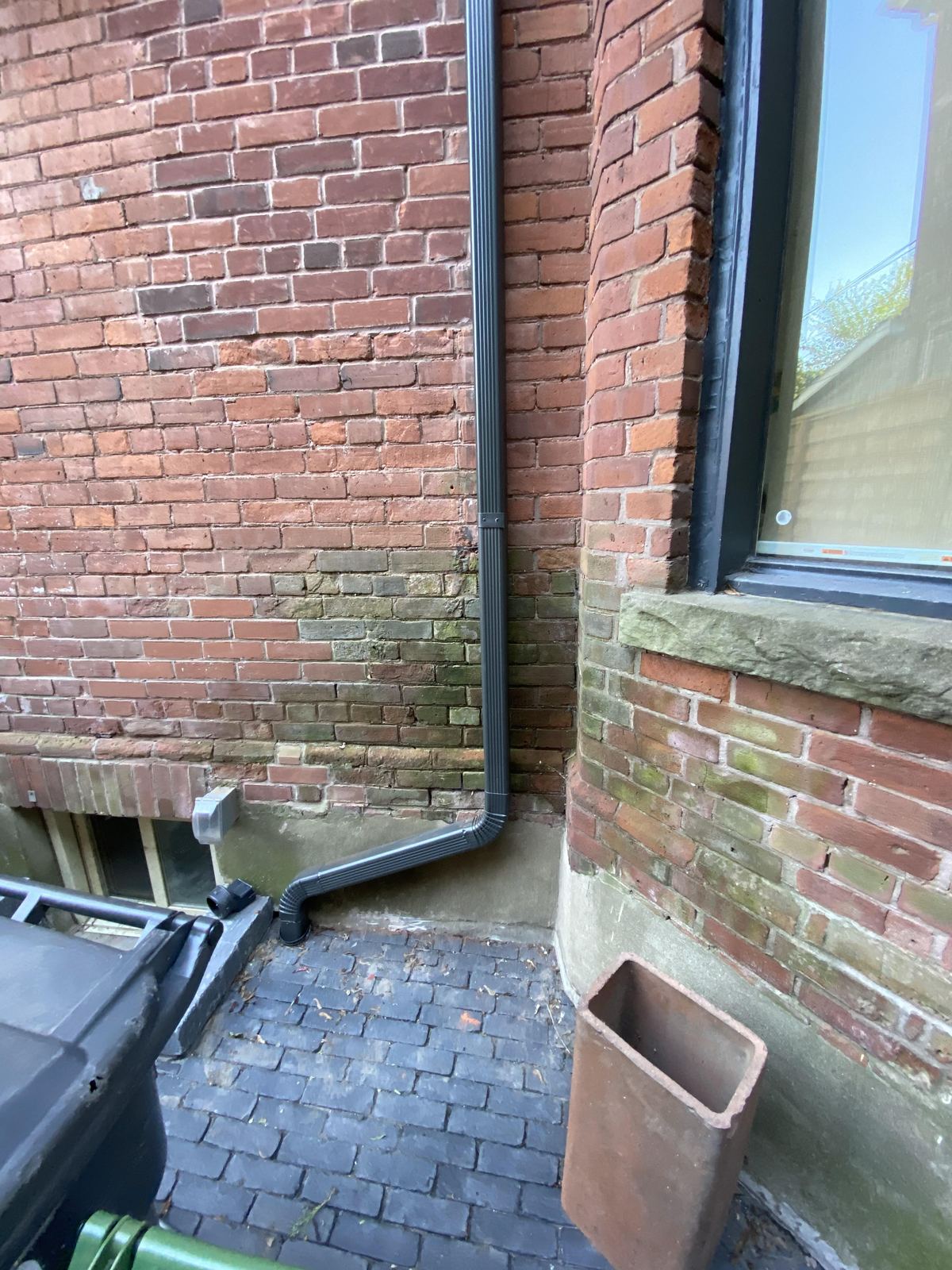
Before downpipe & extension services by Tip Top Trough in Toronto and the GTA: Downpipe disconnection and extension installation
BEFORE
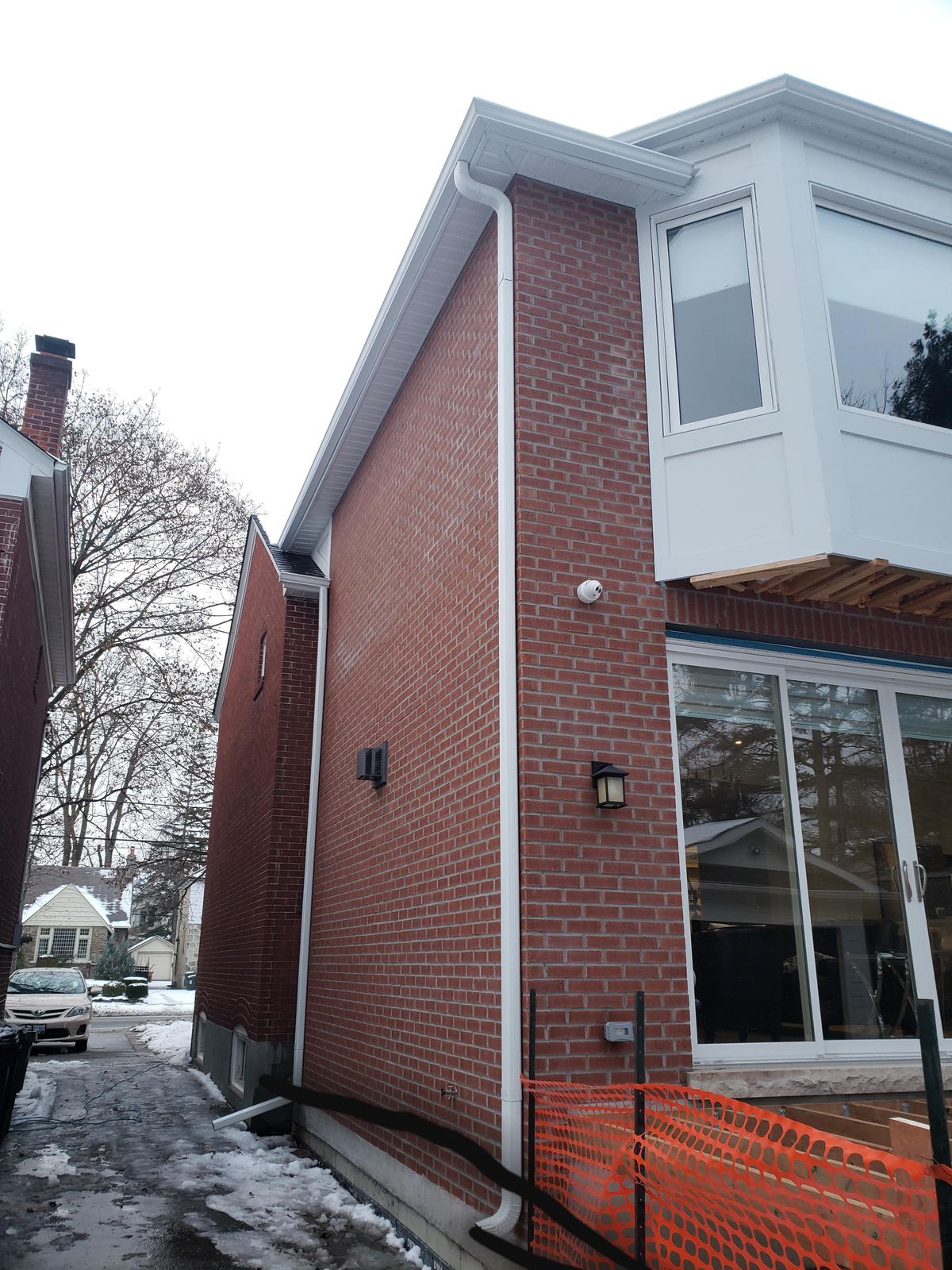
After downpipe & extension services completed by Tip Top Trough in Toronto and the GTA: Downpipe disconnection and extension installation
AFTER

Downpipe disconnection and extension installation

Why This Matters for Your Home

Understanding the importance of proper maintenance and quality workmanship.

Foundation Protection

Properly directed water prevents the hydrostatic pressure that causes basement leaks and foundation cracks.

Prevent Erosion

Concentrated water flow erodes landscaping and can undermine walkways and driveways.

Avoid Basement Flooding

Disconnected or poorly directed downpipes are a leading cause of basement water intrusion.

Municipal Compliance

Many GTA municipalities require downpipe disconnection from storm sewers. We handle the whole process.

Our Process

What to expect when you work with Tip Top Trough.

1

Assessment

We evaluate your current downpipe setup, drainage patterns, and any problem areas.

Assessment
2

Repair or Replace

Damaged sections are repaired or replaced with matching materials.

3

Extension & Redirection

Extensions are added to direct water away from foundations. Underground options available.

Extension & Redirection
4

Secure & Seal

All connections are properly secured and sealed.

5

Test & Verify

We test the system with water to confirm proper flow.

Downpipes & Foundation Drainage: A Homeowner's Guide

How downpipes protect your foundation, the problems we see most often, where water should be directed, and what Toronto-area homeowners should know about downspout disconnection.

Why Downpipes Matter So Much

Eavestroughs collect the water, but downpipes decide where it ends up. An average roof sheds a remarkable volume of water in a single storm, and all of it funnels through just a few downpipes. If that water is dumped at the base of the wall, it soaks the soil around your foundation and increases the pressure on basement walls, window wells and floor joints.

That's why a disconnected, crushed or short downpipe can cause problems out of all proportion to its size. It's one of the simplest and most affordable parts of your home's water management, and one of the most important.
Common Downpipe Problems

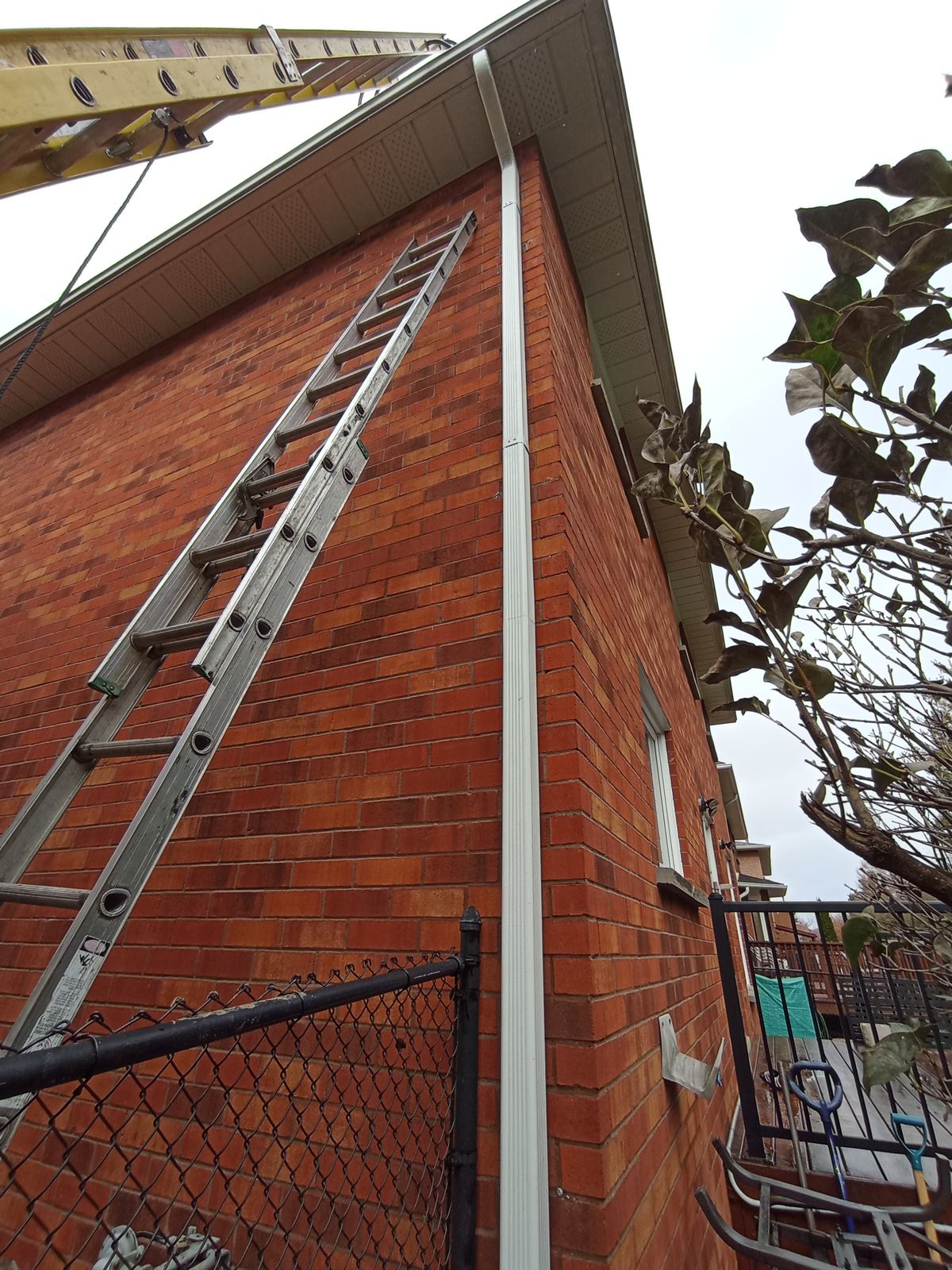
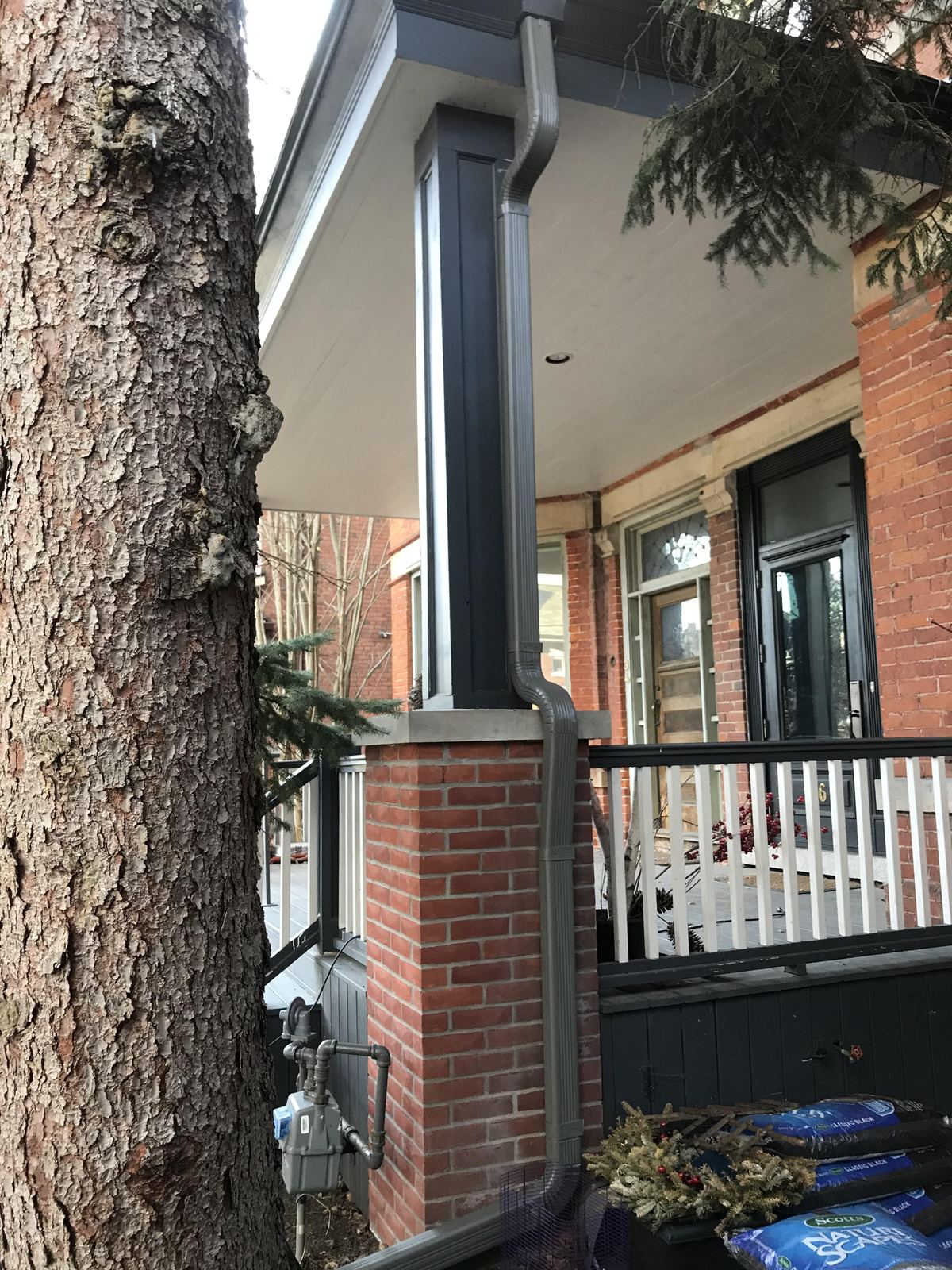
Downpipes take abuse from lawn mowers, ladders, snow shovels, ice and debris. These are the issues we repair most often.

  • Clogs at the elbows or the top outlet from leaves and seeds
  • Sections that have separated or fallen off the wall
  • Crushed or dented pipes that restrict flow
  • Missing or loose straps that let the pipe swing in the wind
  • Extensions that are too short or missing entirely
  • Downpipes discharging onto driveways or walkways where water freezes
  • Ice blockages that split seams during winter

Where Should Downpipe Water Go?

The goal is to move water well away from the foundation and onto ground that slopes away from the house. A widely used guideline is to discharge water at least 6 feet from the foundation wall, using an extension, splash pad or re-routed downpipe as needed.

Water should also not be directed onto a neighbour's property, across sidewalks or onto driveways where it can freeze into a slip hazard in winter. Sometimes the best solution is moving the downpipe to a different corner of the house altogether.

  • Extend discharge at least 6 feet from the foundation
  • Direct water onto lawn or garden that slopes away from the home
  • Avoid discharging onto walkways and driveways
  • Keep water on your own property
  • Consider a rain barrel to capture and reuse runoff
Where downpipe water should go
Wall✗ Dumps at the wallSoaks the foundation✓ Extension or splash padWater moves away6 ft or more
A downpipe that dumps water at the wall lets it soak down beside the foundation. An extension or splash pad carries it a common minimum of 6 feet away, onto ground that slopes away from the house.
See rain barrel installation

Downspout Disconnection in Toronto & the GTA

Many older homes in Toronto and surrounding municipalities were built with downpipes connected directly into the underground sewer system. During heavy storms, that extra water can overload the sewers and contribute to basement flooding across the neighbourhood. For this reason, the City of Toronto and several other GTA municipalities require or encourage downspouts to be disconnected and redirected to the surface where it's safe to do so.

Disconnection involves cutting the downpipe above the ground connection, capping the sewer pipe and adding an elbow and extension to send water across the lawn. Rules, exemptions and programs vary by municipality, so it's worth checking your city's current requirements. We can handle the work and make sure the water is directed safely away from your home.

Winter Care for Downpipes

Winter is hard on downpipes. Meltwater that refreezes inside an elbow can block the pipe and split the seams, and long extensions can freeze to the ground. A late-fall eavestrough cleaning that clears every downpipe goes a long way toward preventing these problems. Flip-up or removable extensions are useful where snow removal is a concern.

If you notice icicles forming at the top of a downpipe or water spilling over the gutter near an outlet in winter, the pipe is likely blocked with ice and should be checked once temperatures allow.

Not sure what your home needs?

Book a free, no-pressure assessment. We'll tell you honestly what's worth doing and what isn't.

Get a Free Quote

Our Work

See examples of our craftsmanship across the GTA.

Downpipe & Extension Services project 1
Downpipe & Extension Services
Downpipe & Extension Services project 2
Downpipe & Extension Services
Downpipe & Extension Services project 3
Downpipe & Extension Services
Downpipe & Extension Services project 4
Downpipe & Extension Services
Downpipe & Extension Services project 5
Downpipe & Extension Services
Downpipe & Extension Services project 6
Downpipe & Extension Services
"They extended all my downpipes and our basement has been dry ever since. Should have done this years ago."
P

Patricia L.

Etobicoke • Downpipe Extensions

Frequently Asked Questions

Common questions about downpipe & extension services services.

QHow far should downpipes extend from the foundation?

At minimum, 6 feet. If your yard slopes toward the house or you have a history of basement moisture, 10 feet or underground drainage is better.

QMy municipality requires downpipe disconnection. Can you help?

Yes. We handle disconnection from storm sewers and install proper above-ground or underground extensions to direct water safely away from your foundation.

QCan you install underground drainage?

Yes. We install buried extensions that carry water to safe discharge points, ideal for properties where surface extensions would interfere with landscaping or walkways.

QHow do I know if my downpipes are clogged?

Signs include water overflowing from gutters near the downpipe, water seeping from downpipe joints, or no water coming out during rain.

QHow far should a downpipe extend from my house?

A common guideline is at least 6 feet from the foundation, discharging onto ground that slopes away from the home. The right distance depends on your lot's grading and where the water will flow.

QDo I need to disconnect my downspouts from the sewer?

Many GTA municipalities, including the City of Toronto, require or encourage downspout disconnection where it can be done safely. Requirements and exemptions vary, so check your city's current rules. We can disconnect and redirect downpipes for you.

QWhy does my downpipe overflow at the top?

Overflow at the top of a downpipe usually means there's a clog in the outlet or an elbow, or ice in winter. Clearing the blockage and checking that the pipe is properly sized for the roof area typically solves it.

Ready to Get Started?

Contact us today for a free, no-obligation quote. We'll assess your needs and provide honest recommendations.